
By Price: Lowest to Highest - Gourmet Culinary Herb Seed Collection


Sprouts/Microgreens - Chia, Black
From $499 USDUnit price /UnavailableDescription
Black chia microgreens are a nutrient-packed addition to your meals, offering a fresh, mild flavor and a satisfying crunch. Easy to grow and quick to harvest, these tiny sprouts deliver essential antioxidants, vitamins, and minerals that support overall wellness. Perfect for salads, sandwiches, and smoothies, black chia microgreens elevate your dishes with vibrant green color and a boost of natural energy. Incorporate them into your diet to enjoy a simple way to enhance both taste and nutrition.
Certified Organic Black Chia seeds.
Very easy to grow.
Ready to consume after just a couple of days.

Sprouts/Microgreens - Cilantro/Coriander Splits
From $499 USDUnit price /UnavailableDescription
We offer the highest quality cilantro micro green sprout seeds! These sprouts are a great ingredient to add to any dish for added flavor and nutrition. Sure to be your new favorite! Very easy to grow. Ready to consume after just a couple of days.

Sprouts/Microgreens - Beet, Dark Red
From $499 USDUnit price /UnavailableDescription
These Dark Red Beets grow into gorgeous, tender sprouts with deep red shoots and delicate green leaves. An amazing earthy flavor rounds out this extremely rewarding micro-green.
Beets can be the more difficult sprout to grow… but well worth it! It's the prettiest sprout there is (flame red) and can make any plate look and taste even better.
Beets like warm air 75 - 78 degree temperature, humidity 80 - 86%, water temperature 70 degrees) and low light in the room for the first 3 days. The outer surface of a beet seed is like a sponge and can absorb a great amount of water. Please read these instructions carefully:
Proper way to sprout Beet seed:
- Put beet seed in a bucket/tub/container
- Let the seeds soak in warm (not boiling and not cold) water for approx. 8 hours. Stir well in about 4 hours.
- Put in colander and Rinse with lukewarm water until the water that comes off is no longer brown.
⚠️ This is important, as red beet has the above water soluble anti-sprouting components (slime) on its hulls. This is a protection: otherwise, in nature, red beet would sprout in an environment that is not humid enough. Clever seed, isn’t it? - Set aside in a warm room. Give NO WATER and it will sprout in approx. 24-48 hrs.
- Then, water as you would any of your other sprouts & micro-greens
Happy planting!

Sprouts/Microgreens - Chives, Garlic
From $499 USDUnit price /UnavailableDescription
Garlic Chives will produce shoots that grow to a mature height of roughly 12 inches tall. Popularly used to flavor potatoes and salads, Chives are not only tasty, but are also attractive as well. Each plant displays white colored flowers atop slender stems / shoots. Flowering much later than traditional Chives, it’s Garlic twins will bloom within the heat of the summer months. The shoots, once cut will add a slight garlic & onion flavor to any dish that they are added to. The flowers also add a mild onion/garlic flavor and can be used as a garnish.
Very easy to grow.
Country of Origin: Italy
Ready to consume after just a couple of days.

Sprouts/Microgreens - Kale, Green Curly
From $499 USDUnit price /UnavailableDescription
- Really easy to grow.
- Just let them grow until you see the first set of true leaves.
- Perfect for a micro-green salad.
- Makes a great addition to many culinary dishes.
- These sprouts have a mildly sweet flavor.
- Day to Maturity | 3-6 days
- Really easy to grow.
 From $499 USDUnit price /Unavailable
Description
- Perennial
- Low growing plant produces green leaves
- Used in salads and cooked like spinach
- Purslane is said to be effective in treatment of insect or snake bites on the skin, boils, sores, pain from bee stings, bacillary dysentery, diarrhea, hemorrhoids, postpartum bleeding, and intestinal bleeding
- Plant grows in poor soil and tolerates drought
⚠️ Always consult with your doctor and primary care provider before using or consuming herbs, flowers, seeds and/or plants for medicinal purposes.
 From $499 USDUnit price /Unavailable
Description
Onion sprouts and microgreens are increasingly popular among indoor gardeners due to their rapid growth and nutritional benefits. These small, tender plants are not only easy to cultivate but also provide a fresh addition to various dishes. This guide will provide insights into the process of growing onion sprouts and microgreens indoors, focusing on the necessary conditions, techniques, and benefits.
Onion sprouts typically germinate within 7 to 14 days, making them an excellent choice for those seeking a quick harvest.
Soak the seeds in water for a few hours before planting can enhance germination rates, as it allows the seeds to absorb moisture and initiate the sprouting process.
For indoor cultivation, a shallow tray filled with a growing medium, such as potting soil or coconut coir, is recommended. The medium should be moistened but not overly saturated, as excess water can lead to mold growth. Once the seeds are evenly spread across the surface, a light layer of soil can be added to cover them. Maintaining a consistent moisture level is crucial during the germination phase.
Light is another critical factor in the successful growth of onion sprouts and microgreens. They require approximately 12 to 16 hours of light daily. Natural sunlight is ideal, but if this is not available, using fluorescent or LED grow lights can effectively supplement their needs. Positioning the lights about 2 to 4 inches above the plants will help prevent leggy growth while ensuring adequate light exposure.
Temperature also plays a significant role in the growth of onion sprouts. A range of 65°F to 75°F (18°C to 24°C) is optimal for germination and growth. Monitoring the temperature and adjusting the environment as necessary will promote healthy development. Additionally, good air circulation is essential to prevent fungal diseases, which can be a concern in indoor settings.
Harvesting onion sprouts and microgreens can begin once they reach about 2 to 4 inches in height, typically within 10 to 20 days after planting. Using scissors, cut the sprouts just above the soil line. This method allows for a clean harvest while minimizing damage to the remaining roots, which may allow for a second harvest if conditions are favorable.
Incorporating onion sprouts and microgreens into your diet can provide numerous health benefits. They are rich in vitamins, minerals, and antioxidants, contributing to overall well-being. Additionally, growing these plants indoors can enhance your culinary experience, providing fresh flavors and textures to salads, sandwiches, and garnishes.
In conclusion, growing onion sprouts and microgreens indoors is a straightforward and rewarding endeavor. With the right conditions and care, you can enjoy a continuous supply of fresh greens, enhancing both your meals and your gardening skills.

Sweet Woodruff (Sweet-Scented Bedstraw)
From $499 USDUnit price /UnavailableDescription
Sweet Woodruff (Botanical name: Galium odoratum) also called Sweet-Scented Bedstraw, is a fast-growing, mat-forming herb and ground cover with dark green leaves and small, white, waxy, star-shaped flowers that bloom in spring. When crushed or cut, and especially dried, it has a grassy vanilla fragrance. Prefers partial to full shade, even under a Black Walnut tree. Add the leaves to fruit salads, jellies, and herbal teas, and use the flowers as an adorable and edible garnish. Reseeding and shallow runner roots enable it to spread easily.
- Grassy vanilla fragrance
- Culinary and medicinal
- Attracts bees, butterflies, and other pollinators
As a companion plant, it attracts all sorts of friendly pollinators to the garden.
As a medicinal herb, Sweet Woodruff has been used internally to treat congestion, insomnia, migraine headaches, nerve pain, and water retention, and externally to treat burns, wounds, and swelling.
⚠️ Contains naturally occurring coumarin and should not be ingested in large quantities if you are taking medication for circulatory disorders or are pregnant.
⚠️ Medicinal properties are presented as information only, and are not a recommendation or prescription for use. Consult a medical professional before using any herb medicinally.
SEED PLANTING TIPS
- Botanical name: Galium odoratum
- Life cycle: Herbaceous perennial
- Planting season: Spring, fall, winter
- Days to maturity: 90-120 days
- Depth to plant seeds: 1/4" deep
- Days to germinate (sprout): 10-200 days
- Germination soil temps: 60F-70F
- Spacing between plants: 8"-12" apart
- Spacing between rows: 18"-24" apart
- # of plants per sq. ft.: Appx. 1 plant per sq. ft.
- Soil types: Clay, sandy, loamy, rich, moist, well-drained
- Soil pH: 4.3-8.3
- Sun needs: Full shade, part shade
- Water needs: Average
- Cold stratify: Yes
- Frost tolerant: Yes
- Heat tolerant: No
- Drought tolerant: No
- Deer resistant: Yes
- Culinary use: Yes
- Medicinal use: Yes

Sprouts/Microgreens - Broccoli
From $699 USDUnit price /UnavailableDescription

- An easy to grow sprout that is extremely nutritious.
- Broccoli sprouts are 10x - 100x higher in some cancer fighting compounds than the actual mature vegetable!
- Certified Organic.
- Days to Maturity | 2-3 days
- An easy to grow sprout that is extremely nutritious.
-
Sprouts/Microgreens - Fenugreek
From $999 USDUnit price /UnavailableDescription
-
All-in-One Culinary Herb Garden Variety Pack
$3999 USDUnit price /UnavailableDescription
Grow an indoor or outdoor culinary herb garden with your favorite herbs. Herbs will do well in a variety of locations, especially in containers. This variety pack is perfect for those who want to grow fresh herbs throughout the cooler months on their covered decks, patios and even indoor windowsills. This All-in-One Herb Variety Pack includes an assortment of our 15 most popular varieties. Seeds are all individually packaged.
Includes all of the following seed varieties:
1. Basil - HERB MIX (appx. 120 seeds)
Enjoy some of our most popular varieties of Basil Herbs. This is a special blend of basil varieties we carry, sure to be a show stopper! You'll enjoy a wide variety of Basil plants with great flavors! Very easy to grow and extremely popular for those that can't decide on which variety to try in their own garden! Learn more
2. Basil - Leaf Lettuce (appx. 120 seeds)
Annual plant. Produces very flavorful and tender basil leaves. Used in many different types of dishes. Leaves can be used dried, fresh, or frozen. 85 days to mature. Can be grown indoors in containers. Very easy to grow! Learn more3. Borage (appx. 65 seeds)
Borage is a fairly common herbal remedy that has been used since ancient times. It's best when grown in containers because it is extremely invasive. The flavor of these flowers is crisp and refreshing. Learn more4. Chives (appx. 115 seeds)
Also known as Garlic Chives. A perennial plant that grows narrow, grass-like leaves that have a mild onion-like flavor. Chives are rich in vitamins A and C, contain trace amounts of sulfur, and are rich in calcium and iron. Learn more
5. Cilantro (appx. 80 seeds)
This slow-bolting strain is grown primarily for its broad, deep green, celery-like, pungent foliage. Used in Oriental and Mexican cuisine. Use seed to flavor meats, pickles and baked goods. Learn more
6. Chervil - French Parsley (appx. 100 seeds)
Chervil, aka French Parsley, has many various traditional uses. Chervil is "a delicate annual herb related to parsley. It is commonly used to season flavored dishes." Learn more7. Fennel (appx. 100 seeds)
Produces very flavorful large bulbs and edible flower buds. Excellent for seasonings and for cooking as a vegetable. Plant Height: 30" tall. Fennel is a very aromatic plant with a sweet licorice flavor, similar to an anise seed. It has many medicinal uses and herbalists have been using it for centuries to relieve problems with the respiratory system, stomach muscles and intestines. Nursing mothers can expect increased milk production and fennel also has been used to soothe colicky infants. Learn more8. Lavender (appx. 50 seeds)
English Lavender is one of the most beautiful seeds you can plant in your garden.- Lavender is an herb. The flower and the oil of lavender are used to make medicine.- Lavender is used for restlessness, insomnia, nervousness, and depression. It is also used for a variety of digestive complaints, loss of appetite, vomiting, nausea, intestinal gas, and upset stomach.- Some people use lavender for painful conditions including migraine headaches, toothaches, sprains, nerve pain, sores, and joint pain. It is also used for acne and cancer, and to promote menstruation. Learn more9. Mint, Lemon (appx. 100 seeds)
Annual plant that is covered with beautiful pinkish purple colored flowers. - Lemon scented leaves that can be used as a replacement for lemon in any dish! Learn more10. Oregano, Greek (appx. 200 seeds)
Hippocrates used oregano as an antiseptic, as well as a cure for stomach and respiratory ailments. It is still used today in Greece as a palliative for sore throat. Oregano is also high in antioxidant activity, due to a high content of phenolic acids and flavonoids. Learn more11. Parsley, Dark Green Italian (appx. 60 seeds)
Finely cut dark green leaves. Flat leaves. Use this parsley for garnishing, and culinary decoration. Tolerates heat better than most varieties. Learn more12. Rosemary (appx. 20 seeds)
Excellent flavor and extremely fragrant. Perfect to use fresh or dried. Can be used to flavor many culinary varieties such as meats, soups, and sauces. Can be used for treating headaches and known to improve circulation. Perfect for containers. Learn more13. Lemon Balm (appx. 80 seeds)
The lemon balm plant produces beautiful lemon scented leaves. The leaves are typically used in teas, sauces, salads, soups, stews, and drinks. Lemon Balm tea is said to stimulate the heart and calms the nerves. A variety native of Europe. Perennial.Learn more
14. Summer Savory (appx. 220 seeds)
The Summer Savory plant grows tasty peppery flavored leaves. This is the herb to use if you want to flavor beans, cabbage, peas, and any other dishes. Widely used as a medicinal herb for curing sore throats. Use the leaves to make some tea and you'll be feeling great! Learn more
15. Thyme (appx. 350 seeds)
Plant spreads to form attractive 8 to 12 inch high mounds. Aromatic and flavorful leaves- Used to flavor meats, dressings, soups, and stews. Learn more -
All-in-One Culinary Herb Garden Seed Bank
$8999 USDUnit price /UnavailableDescription
The Culinary Herb Seed Bank includes everything you need to start growing your own herbs for cooking in the kitchen. It includes 12 of our most popular culinary seed varieties and everything you need to start growing them.
What's Included:
-
12 seed varieties (scroll down to view all the varieties that are included in this seed bank)
- 25 Seed starting pellets (the easiest way to start your seeds)
- Seeds are all individually packaged and labeled in resealable bags and then secured in a Mylar bag (provides two layers of protection from moisture and light)

1. Chives (appx. 1,000 seeds)
Narrow, grass-like leaves have mild onion-like flavor.
Learn more
2. Cilantro (Coriander) - Slow Bolt (appx. 490 seeds)
This slow-bolting strain is grown primarily for its broad, deep green, celery-like, pungent foliage. Used in Oriental and Mexican cuisine. Use seed to flavor meats, pickles and baked goods.
Learn more
3. Cumin (appx. 1,000 seeds)
The Cumin seeds have widely been used to flavor rice, breads, beans, meats, and other dishes. Often used to flavor Curry Powder.
Learn more
4. Dill - Bouquet (appx. 450 seeds)
Annual. 3 ft. plant with strongly aromatic foliage, stems, and heads. Excellent for pickling.
Learn more
5. Fennel (appx. 1,000 seeds)
Produces very flavorful large bulbs and edible flower buds. Excellent for seasonings and for cooking as a vegetable. - Plant Height: 30" tall. Fennel is a very aromatic plant with a sweet licorice flavor, similar to an anise seed. Fennel has a long history of herbal use and is a commonly used household remedy, being useful in the treatment of a variety of complaints, especially those of the digestive system. Easy to grow. Many health benefits associated with this plant (see video below)
Learn more

6. Lemon Mint (appx. 230 seeds)
Lemon scented leaves that can be used as a replacement for lemon in any dish or tea. Put mint leaves in the body of a chicken before cooking - adds excellent flavor and aroma. Excellent for poultry, lamb & pork stuffing. Makes a great marinade for fish too! Great for vinaigrette dressings. Lemon mint can be used many different ways in any culinary creations.
Learn more
7. Oregano - Italian (appx. 1,000 seeds)
Hardy 2 ½ inch plant with pungent, oval leaves and purplish pink flowers. Use fresh or dried in sauces and soups.
Learn more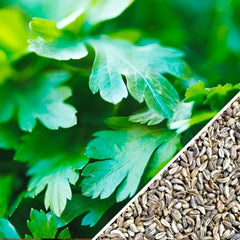
8. Parsley - Dark Green Italian Giant (appx. 550 seeds)
Finely cut dark green parsley. Use this parsley for garnishing, and culinary decoration. Good heat tolerance.
Learn more
9. Rosemary (Appx. 100 seeds)
Excellent flavor - extremely fragrant. Perfect to use fresh or dried. Can be used to flavor many culinary varieties such as meats, soups, and sauces. Can be used for treating headaches and known to improve circulation. Perfect for containers.
Learn more
10. Summer Savory (appx. 1,000 seeds)
The Summer Savory plant grows tasty peppery flavored leaves. This is the herb to use if you want to flavor beans, cabbage, peas, and many other dishes.
Learn more
11. Tarragon (appx. 1,000 seeds)
Tarragon, aka Dragon Wort, is a popular herb widely recognized for its strong aroma and many culinary uses. A native herb of Europe. Used to compliment to many classic continental – mostly French – dishes.
Learn more
12. Basil - Italian Large Leaf (appx. 1000 seeds)
The Italian Large Leaf Basil plant will produce medium to large leaves that can measure up to 4" long! It is of heriloom variety and is extremely fragrant and used widely in the culinary industry. If you're a lover of basil, this would be a good variety to plant in your garden.
Learn moreWhat is a Seed Bank?
The answer is simple: a seed bank is your very own supply of open-pollinated, non-hybridized, NON-GMO seeds to be kept on hand in the case of an emergency or the unavailability of seeds.
There are many reasons to invest in a seed bank. Whether the market has changed or famine and war have changed the way we get access to seeds, these banks represent a secure way to begin planting quality foods.
All our seeds offer you the chance to replant the seeds after a successful harvest, making your investment in food one of the best values you will find. All of our seeds will produce organic produce when properly cared for.
While we remain optimistic about the future, we feel it is best to control your own food supply and live a healthier lifestyle with the best non-hybrid, non GMO seeds available today! -
12 seed varieties (scroll down to view all the varieties that are included in this seed bank)


🌱 Featured Seed Types (A - Z)
View all


continue shopping


