Depth to Plant
|
Spacing Between Plants |
Spacing Between Rows |
Days to Germinate (Sprout)
|
Germination
|
Planting Season
|
Plant Height |
No. of Plants per sq. ft.
|
Soil Requirements
|
|
 Shop Celery Seeds |
0.25 inches deep |
Space plants about 6" - 8" apart |
Space rows about 24" apart |
7 - 21 days | 75F - 85F | Spring Fall Winter |
Appx. 2 feet tall | 1 - 2 plants per sq. ft. | Prefers soil with pH levels of 6.0 - 7.0. |
Starting Your Celery Seeds Indoors
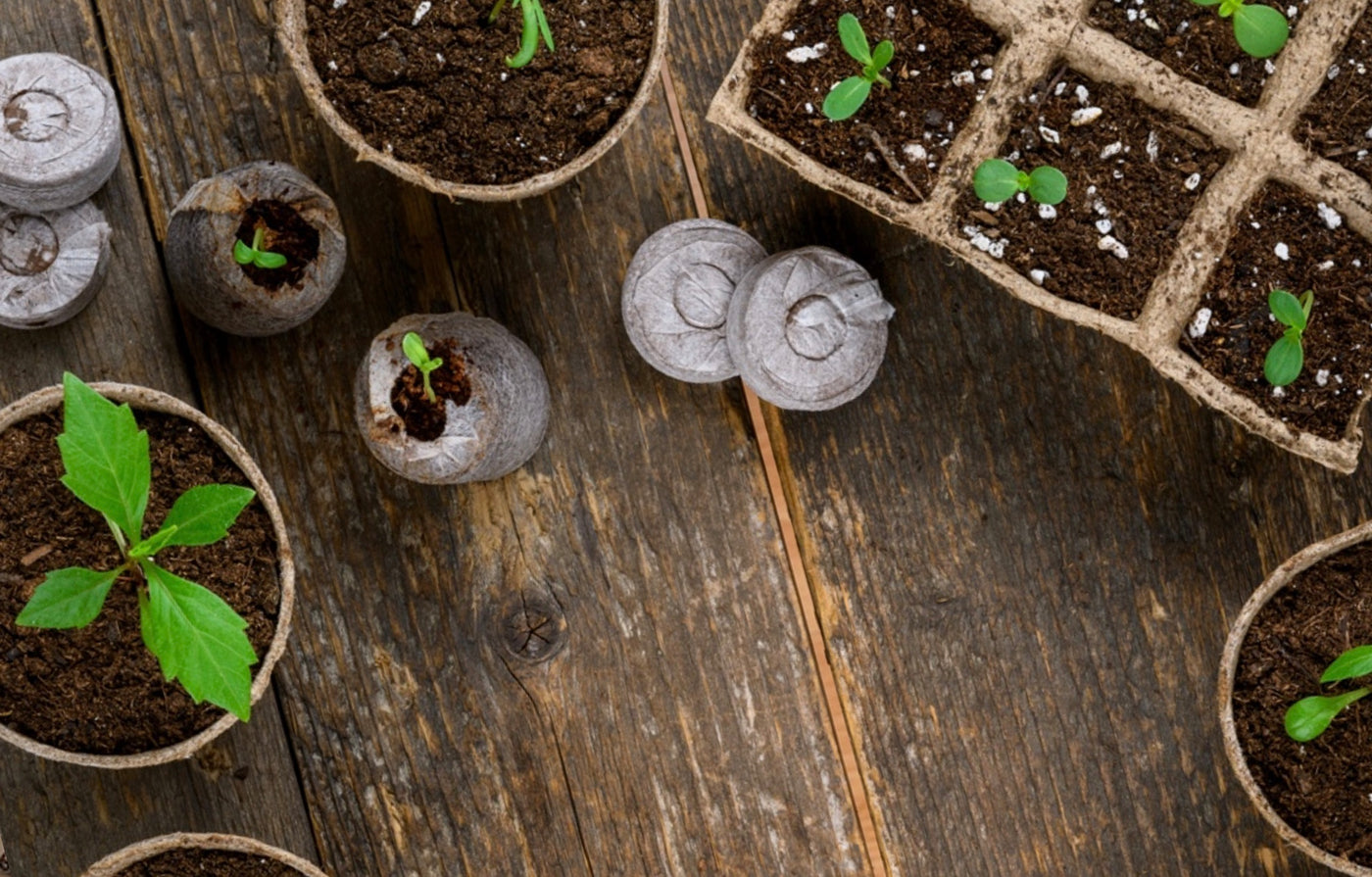
Celery thrives when started indoors 8 to 10 weeks before your last spring frost. Fill seed trays with moist seed-starting mix and sprinkle celery seeds directly on the surface—they need light to germinate, so don't bury them. Cover loosely with plastic wrap to retain moisture and place in a warm spot around 70°F. Seeds typically sprout in 10 to 21 days. Once seedlings emerge, remove the plastic and provide bright light, either from a sunny windowsill or grow lights positioned a few inches above the trays.
Watering and Feeding Your Seedlings
Keep the soil consistently moist but never waterlogged, as celery seedlings are prone to damping off disease in overly wet conditions. Water gently from below when possible. When seedlings develop their first true leaves, begin feeding with a diluted liquid fertilizer every two weeks to support steady growth. Thin seedlings if they're crowded, spacing them about an inch apart to encourage stronger development.
Transplanting to the Garden
Once seedlings are 3 to 4 inches tall and outdoor temperatures have warmed, harden them off by placing them outside in a sheltered spot for a few hours each day over one to two weeks. This gradually acclimate them to outdoor conditions. Plant seedlings in the garden 6 inches apart in rich, well-draining soil with plenty of organic matter. Celery prefers consistent moisture and partial shade in hot climates, so mulch around plants to retain soil moisture and keep roots cool.
Supporting Healthy Growth
Celery is a heavy feeder and benefits from regular watering—aim for at least 1 inch per week, more during dry spells. Apply a balanced fertilizer or compost side-dressing every few weeks throughout the growing season. Blanching (blocking light from the stems) produces milder, more tender celery; you can do this by wrapping the base of the plant loosely with burlap or cardboard as it matures. Watch for common pests like aphids and spider mites, and remove any affected leaves promptly to prevent spread.
Harvesting Your Celery
Celery is ready to harvest 70 to 100 days after transplanting, depending on your variety and growing conditions. You can harvest individual outer stalks once they're thick enough, or wait and cut the entire head just above the soil line. Morning harvesting provides the crispest stalks. Store fresh celery in the refrigerator in a plastic bag for several weeks to enjoy your homegrown crop.
Good Companion Plants
Good Companion Plants include: Bean, Broccoli, Brussels Sprouts, Cabbage, Cauliflower, Celery, Flowers, Spinach