

Starting Your Swiss Chard Garden
Swiss chard is one of the most forgiving vegetables to grow, making it perfect for both beginners and experienced gardeners. This leafy green thrives in cool weather and produces tender, nutritious leaves for months. Whether you're planting in a garden bed, raised bed, or container, you'll find that chard rewards minimal effort with abundant harvests.
Choosing the Right Location
Swiss chard performs best in full sun, ideally receiving at least six hours of direct sunlight daily. However, it tolerates partial shade better than many vegetables, which can be helpful in warmer climates where afternoon shade prevents bolting. Select a spot with good air circulation to reduce disease risk and keep your plants healthy throughout the growing season.
Preparing Organic Soil
Start with rich, well-draining soil amended with compost or aged manure. Chard appreciates soil with plenty of organic matter, which improves water retention and provides slow-release nutrients. Mix in several inches of compost before planting, and consider adding a balanced organic fertilizer to give seedlings a strong start. Aim for a soil pH between 6.0 and 7.5.
Planting and Spacing
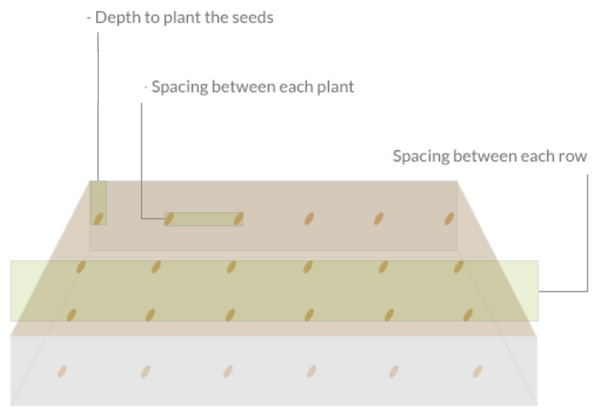
You can start chard from seeds directly in the garden or transplant seedlings you've started indoors. Plant seeds about half an inch deep and keep soil consistently moist until germination occurs. Once seedlings emerge, thin them to 6 inches apart for smaller harvests or 12 inches apart for larger plants. Space rows 18 inches apart to allow room for growth and easy harvesting.
Watering and Feeding
Water deeply and consistently, aiming for about one inch per week. In hot weather, you may need to water more frequently to prevent stress. Mulch around plants to retain moisture and regulate soil temperature. Feed plants every three to four weeks with an organic fertilizer or compost tea to support vigorous leaf growth without overwhelming them with excess nitrogen.
Managing Pests Naturally
Swiss chard is relatively pest-resistant, but watch for leaf beetles and aphids. Inspect leaves regularly, especially the undersides, and remove pests by hand when you spot them. Encourage beneficial insects by planting flowers nearby, and use row covers on young plants if pest pressure is high. Neem oil or insecticidal soap can help if infestations develop, but prevention is usually sufficient.
Harvesting for Continuous Production
Begin harvesting leaves once plants are six inches tall. Pick the outer leaves first, working from the outside in, which encourages the center to produce more foliage. Regular harvesting actually promotes bushier growth and extends your harvest window. With proper care, a single plant can produce leaves for several months, giving you fresh greens from spring through fall.
Growing organic swiss chard is genuinely simple when you focus on the basics: good soil, consistent water, and regular harvesting. You'll enjoy crisp, nutrient-dense leaves while developing confidence in your gardening skills.
SEED PLANTING INFO
- Depth to plant seeds: .25"-.50" deep
- Spacing between plants: 6"-12" apart
- Spacing between rows: 6"-12" apart
- Days to germinate (sprout): 7-21 days
- Germination soil temps: 50F-85F
- Soil needs: 6.0-7.0 pH
- Sun needs: Partial shade
- Frost hardy: Yes
- Planting season: Spring, summer, fall, winter
- # of plants per sq. ft.: Appx. 4-9 plants per sq. ft.
| Cultivation & History |
|
|


