

Getting Started with Anise Seeds
Anise, also known as aniseed, is a rewarding herb to grow from seeds. This delicate plant produces fragrant foliage and small flowers before developing the flavorful seeds that are prized in cooking and herbal preparations. Growing anise organically means working with nature to create ideal growing conditions without synthetic pesticides or fertilizers.
Choosing the Right Growing Location
Anise thrives in full sunlight, so select a spot in your garden that receives at least six to eight hours of direct sun daily. The plant prefers warm temperatures and struggles in cold climates, making spring planting ideal in most regions. If you're in a cooler area, consider starting seeds indoors four to six weeks before your last frost date.
Preparing Your Soil
Anise prefers well-draining soil with a neutral pH between 6.0 and 7.0. Before planting, amend your garden bed with compost or aged organic matter to improve soil structure and fertility. Avoid overly rich soil, as anise tends to produce more foliage than seeds in nitrogen-heavy conditions. Good drainage is essential—anise does not tolerate waterlogged soil.
Planting Anise Seeds
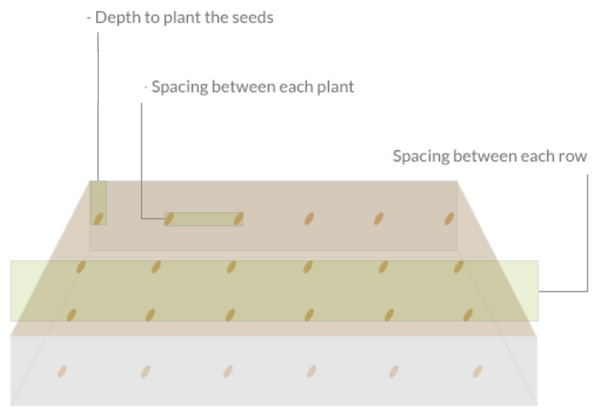
Sow anise seeds directly into the garden after the danger of frost has passed and soil has warmed. Plant seeds about one-quarter inch deep and space them six inches apart. Keep the soil consistently moist until seedlings emerge, which typically takes two to three weeks. Once established, thin seedlings to twelve inches apart to allow adequate air circulation.
Organic Care and Maintenance
Water anise regularly, providing about one inch of water per week through rainfall or irrigation. Water at the soil level rather than overhead to minimize disease. Mulch around plants with organic materials like straw to retain moisture and regulate soil temperature. Anise generally grows without significant pest or disease problems, especially when given proper spacing and airflow.
Harvesting Your Aniseed
Anise flowers appear in mid to late summer and develop into small seed pods. Once the seed pods turn brown and dry on the plant, typically in late summer or early fall, harvest them by cutting entire flower heads. Hang the heads upside down in a paper bag in a warm, dry location for two to three weeks. The seeds will fall from the pods naturally as they dry completely.
With patience and attention to these basics, you'll enjoy a healthy anise plant that produces flavorful seeds for cooking, tea, and herbal use.
SEED PLANTING TIPS
- Botanical name: Pimpinella anisum
- Life cycle: Herbaceous annual
- Hardiness zones: 4-9
- Planting season: Spring
- Days to maturity: 75-120 days; can begin harvesting when 6" tall
- Depth to plant seeds: 1/4" deep
- Days to germinate (sprout): 10-14 days
- Germination soil temps: 65F-70F
- Spacing between plants: 12"-18" apart
- Spacing between rows: 18"-24" apart
- # of plants per sq. ft.: Appx. 1 plant per sq. ft.
- Soil types: Sandy, loamy, medium dry, well-drained
- Soil pH: 6.0-7.3
- Sun needs: Full sun
- Water needs: Light - do not overwater
Good Companion Plants: Bean, Broccoli, Brussels Sprouts, Cabbage, Cauliflower, Cilantro/Coriander, Collards, Fava Bean, Kale, Mustard
| How to Grow & Harvest Anise |
|
When to Plant Plant your seeds directly into the garden after the threat of frost has passed. Make sure your planting site is free of weeds and roots. Anise needs to be watered regularly, so if you live in an area prone to long periods of drought, make preparations to keep it well watered.
How to Plant Water plants at least twice a week until they are about 8 inches high and then begin to reduce water, but keep the soil moist. Try fertilizing your plants with a nitrogen fertilizer sometime before they flower, usually in June or July.
When to Harvest Harvest anise once the flowers have gone to seed. Dry the flowers in a paper bag until the seeds have all fallen loose and store them in a cool, dry and dark location. |


