| Shop all Basil Seeds | Shop Good Companion Plants for Basil |
Getting Started with Your Basil Seeds
Growing basil from seed is one of the most rewarding ways to start your herb garden. Whether you're planting indoors or outdoors, basil is forgiving and fast-growing, making it perfect for both beginners and experienced gardeners. With just a few simple steps, you'll have fresh, fragrant basil ready to harvest in just a few weeks.
Choosing the Right Time and Location
Basil thrives in warm conditions and loves sunlight. Plant your seeds indoors 6 to 8 weeks before your last spring frost, or direct sow them outdoors once soil temperatures reach at least 70°F. Choose a spot that gets 6 to 8 hours of direct sunlight daily—the more sun, the better your basil will grow. If you're growing indoors, a sunny windowsill or grow light will work beautifully.
Preparing Your Soil
Basil prefers well-draining, nutrient-rich soil. Use high-quality seed-starting mix if you're germinating indoors, or amend your garden soil with compost before planting. Good drainage is essential; basil doesn't like to sit in soggy conditions, so ensure water can flow freely through your growing medium.
Planting Your Seeds
Sow basil seeds directly on the soil surface or press them lightly into the soil—they need light to germinate. Keep the soil consistently moist but not waterlogged. Cover your seed tray with a humidity dome or plastic wrap to maintain moisture while seeds germinate. Most basil seeds will sprout within 5 to 10 days at temperatures between 70 and 75°F.
Caring for Seedlings
Once your seedlings emerge, remove any covering and ensure they receive plenty of light to prevent them from becoming leggy. Water gently and regularly, keeping the soil moist without overdoing it. When seedlings develop their first true leaves and are about 2 inches tall, thin them out or transplant them into individual containers if growing indoors.
Hardening Off and Transplanting
If you started seeds indoors, gradually acclimate your seedlings to outdoor conditions over 7 to 10 days before transplanting them into the garden. This process, called hardening off, helps them adjust to sun, wind, and temperature changes. Space plants about 6 to 12 inches apart in the garden.
Watering and Feeding
Keep your basil consistently watered throughout the growing season—about 1 inch of water per week, either from rainfall or irrigation. The soil should be moist but never soggy. Feed your basil every 2 to 3 weeks with a balanced fertilizer to encourage healthy growth and abundant leaves.
Harvesting Your Basil
Begin harvesting basil leaves once the plant has developed several sets of true leaves, usually 3 to 4 weeks after transplanting. Pinch off the top leaves and stems regularly to encourage bushier growth. The more you harvest, the more the plant will produce. For the best flavor, pick leaves in the morning after the dew has dried.
Preventing Common Issues
Watch for pests like aphids and spider mites, which can be managed with gentle spraying or neem oil. Ensure good air circulation around your plants to prevent fungal diseases. If leaves start to yellow or wilt, check your watering schedule—most problems come from either too much or too little water.
With consistent care and attention to these basics, you'll have a thriving basil plant that provides fresh herbs throughout the season. Happy growing!
MORE SEED PLANTING TIPS
- Botanical name: Ocimum americanum
- Life cycle: Herbaceous annual
- Hardiness zones: 8-10
- Planting season: Spring, summer
- Days to maturity: 60-80 days; can begin harvesting when 6" tall
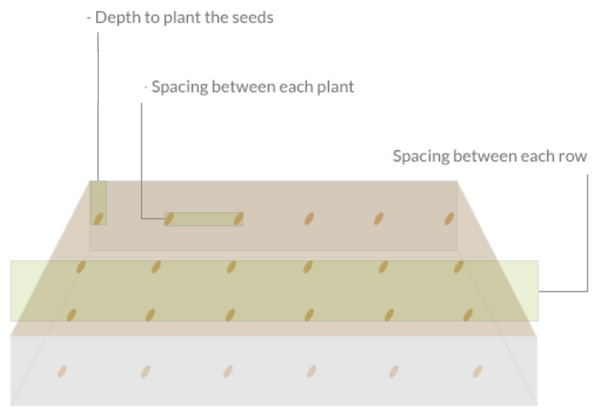
- Depth to plant seeds: 1/4" deep
- Days to germinate (sprout): 5-10 days
- Germination soil temps: 70F-75F
- Spacing between plants: 12"-18" apart
- Spacing between rows: 18"-24" apart
- # of plants per sq. ft.: Appx. 1 plant per 2 sq. ft.
- Soil types: Sandy, loamy, silty, rich, moist, well-drained
- Soil pH: 6.0-7.5
- Sun needs: Full sun
- Water needs: High - keep soil moist
- Heat tolerant: Yes
- Deer resistant: Yes
- Culinary use: Yes
- Medicinal use: Yes
As a companion plant, it attracts hummingbirds, pollinators, and beneficial insects, and repels aphids, asparagus beetles, cabbage moths, cabbage white butterfly, cabbage worms, carrot rust fly, flies, maggots, mice, mosquitoes, spider mites, thrips, and tomato hornworms.
In Summary
| How to Grow & Harvest Basil |
|
When to Plant Basil is planted in the spring and dies at the first fall frost. It can be grown year-round indoors or in frost-free climate. Basil also needs daytime temperatures over 70° F and nighttime temps over 50° F. Basil thrives in warmer temperatures. Sow your seeds outdoors in spring, after all danger of frost has passed. How to Plant Choose a sunny, sheltered spot that is protected from wind and other temperature extremes. Basil needs at least 6-8 hours of full sun each day, so keep that in mind when choosing a location to start your seeds. Try to space your basil plants about 12 inches apart. There are also dwarf varieties that work well in containers. When to Harvest |