
 From $399 USDUnit price /Unavailable
Description

- These pretty radishes aren’t all show, they’re also really delicious and versatile! Watermelon radishes can be eaten raw, pickled, or cooked
- Unique and rare heirloom radish variety
- Looks amazing
- Very large white radish with pink/red flesh giving the appearance of watermelon
- Excellent for gourmet culinary dishes
- Produces large tops for easy picking
-
Days to Maturity | 50-60 days
Additional DetailsRadishes are rich in ascorbic acid, folic acid, and potassium. They are a good source of vitamin B6, riboflavin, magnesium, copper, and calcium. One cup of sliced red radish bulbs provides approximately 20 calories, largely from carbohydrates
Follow SeedsNow.com's board Radishes on Pinterest. - These pretty radishes aren’t all show, they’re also really delicious and versatile! Watermelon radishes can be eaten raw, pickled, or cooked
-
From $399 USDUnit price /Unavailable
Description

- Produces beautiful pink radishes with a white flesh
- Looks amazing! Great for culinary dishes
- The white flesh is crisp and mild in flavor
- Great for selling at farmers markets
- Unique and rare heirloom radish
- Grows well in containers and small spaces
-
Days to Maturity | 25-30 days
Additional DetailsRadishes are rich in ascorbic acid, folic acid, and potassium. They are a good source of vitamin B6, riboflavin, magnesium, copper, and calcium. One cup of sliced red radish bulbs provides approximately 20 calories, largely from carbohydrates
Follow SeedsNow.com's board Radishes on Pinterest. - Produces beautiful pink radishes with a white flesh
 From $399 USDUnit price /Unavailable
Description
-
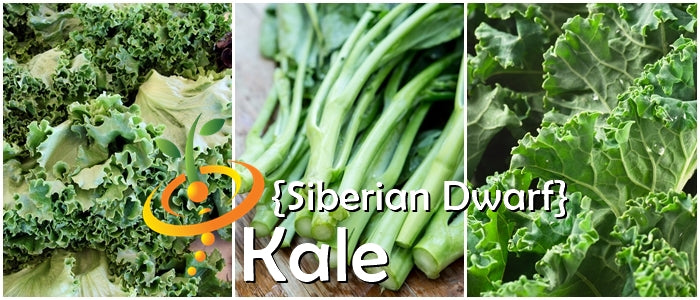
Early Kale variety produces flavorful leaves
- The dark-green leaves are finely curled and reach up to 8-12"
- Great when used fresh in salads or on sandwiches
- Can handle the cold extremely well
- Very good frost resistant kale variety
-
Days to Maturity | 50 days
-
Kale Seeds | Kale can be planted pretty much anywhere in the United States where there's a cool fall growing season. Plant Kale in rows 18 inches to 2 feet apart.
Click here for complete Kale grow guide
Additional DetailsKale is considered to be a highly nutritious vegetable with powerful antioxidant properties; kale is considered to be anti-inflammatory. Kale is very high in beta carotene, vitamin K, vitamin C, lutein, zeaxanthin, and reasonably rich in calcium.
Follow SeedsNow.com's board Kale on Pinterest. -
Early Kale variety produces flavorful leaves
 From $399 USDUnit price /Unavailable
Description

- America Spinach will produce a beautiful dark green plant in only 40 days
- Excellent flavor
- Extremely easy to grow
- Grows best during the cooler months
- Grows really well in containers and other small spaces
-
How to Grow | Spinach is very hardy and can tolerate cold — in fact, it thrives in cold weather. Spinach grows really well during winter months in the South. Spinach also grows well in early spring and late summer in the North. These seeds should be planted about four weeks before your area's average date of last frost.
- Days to Maturity | 40 days
- America Spinach will produce a beautiful dark green plant in only 40 days
-
Pepper (Hot) - Scotch Bonnet, Yellow 🔥🔥🔥 seeds
From $399 USDUnit price /UnavailableDescription

If you’ve ever wondered if the sun has a flavor, the Yellow Scotch Bonnet Pepper is your answer. This deeply lobed fruit that resembles the folds of a Scottish cap is sweet and fruity, and hot enough to break a wild horse. The generous plant produces 1"-2" fruits that ripen from green to yellow to yellower. This sunny little pepper is a key ingredient in Jamaican foods for unique flavor and scorching heat, and can easily ignite all of your recipes.
- High yields
- Sweet, fruity flavor
- Harvest any color
- Good for containers
SEED PLANTING TIPS
- Botanical name: Capsicum chinense
- Pepper length: 1"-2"
- Scoville heat units (SHU): 100,000-350,000/hot
- Plant support: Tomato cage or stake
- Depth to plant seeds: .25" deep
- Spacing between plants: 18"-24" apart
- Spacing between rows: 24"-36" apart
- Days to germinate (sprout): 7-21 days
- Germination soil temps: 75F-85F
- Soil needs: 6.0-7.0 pH
- Sun needs: Full sun
- Frost hardy: No
- Planting season: Spring, summer
- # of plants per sq. ft.: Appx. 1 plant per sq. ft.
- Days to maturity: 90-120 days
Good companion plants: Basil, Carrot, Cucumber, Eggplant, Okra, Rosemary, Sage, Squash, Tomato
All Peppers ⟐ Hot Peppers 📚 Hot Peppers Grow Guide -
Pepper (Hot) - Tepin 🔥🔥🔥 seeds
From $399 USDUnit price /UnavailableDescription

The Tepin Pepper is a tiny treat with a lot of heat. Compact, vigorous plants produce lots of juicy, pea-sized fruits that are hot enough to make a cookie crumble. This is a perennial bush in warmer locations, so if it survives the winter, it will grow back bigger and more productive. Use it to heat up anything from honey to menudo to ice cream.
- High yields
- Perennial
- Slow to germinate
- Good for containers
SEED PLANTING TIPS
- Botanical name: Capsicum annuum
- Pepper size: 1/4"-1/2"
- Scoville heat units (SHU): 50,000-100,000/hot
- Plant support: Tomato cage or stake
- Depth to plant seeds: .25" deep
- Spacing between plants: 24"-36" apart
- Spacing between rows: 36"-48" apart
- Days to germinate (sprout): 28-70 days
- Germination soil temps: 75F-85F
- Soil needs: 6.0-7.0 pH
- Sun needs: Full sun
- Frost hardy: Yes
- Planting season: Spring, summer
- # of plants per sq. ft.: Appx. 1 plant per 2 sq. ft.
- Days to maturity: 120-200 days
Good companion plants: Basil, Carrot, Cucumber, Eggplant, Okra, Rosemary, Sage, Squash, Tomato
- These Tepin pepper seeds will produces tons of of ¼" pea-sized hot peppers.
- Extremely hot. Handle with care
- They will turn from green -> to orange -> to red as they continue to mature
- Some claim this variety to be one of the Hottest Pepper in the World
- It can sometimes take the seeds about 4-10 weeks to germinate - so patience is a virtue with these babies but definitely worth it in the end
- Plant height is approximately 2' - 3'
- Highest germination rates occur during the warmer months - around at 80 F or higher
- Grows extremely well in small to medium sized containers
- If you like hot peppers then this variety is a definite must have
All Peppers ⟐ Hot Peppers 📚 Hot Peppers Grow Guide -
Pepper (Hot) - Fresno Chili 🔥🔥 seeds
From $399 USDUnit price /UnavailableDescription
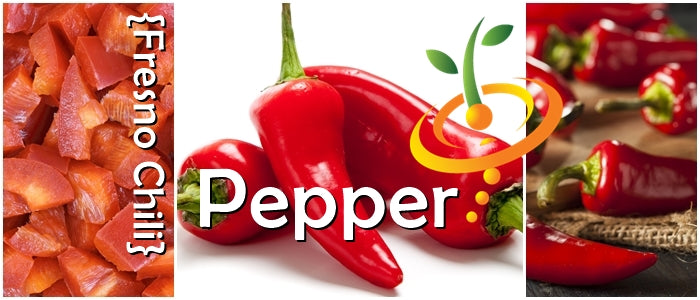
The Fresno Chili Pepper is a fun one to follow as it grows. The immature green fruit starts out pointing upward, and has a green, grassy flavor with mild heat. As the color changes through orange to bright red, the fruit hangs down, and the flavor changes to smoky and fruity with a bit more heat than a Jalapeño. These 3" tapered peppers are large enough to stuff, and small enough to pickle. Traditionally used to liven up ceviche, but it’s okay to grill that fish instead and make tacos topped with Fresno chili sauce. Excellent for roasting on the BBQ - or even pickling.
- High yields
- Smoky, fruity flavor
- Harvest any color
- Good for containers
SEED PLANTING TIPS
- Botanical name: Capsicum annuum
- Pepper length: 2"-3"
- Scoville heat units (SHU): 2,500-10,000/medium
- Plant support: Tomato cage or stake
- Depth to plant seeds: .25" deep
- Spacing between plants: 18"-24"apart
- Spacing between rows: 24"-36" apart
- Days to germinate (sprout): 7-21 days
- Germination soil temps: 75F-85F
- Soil needs: 6.0-7.0 pH
- Sun needs: Full sun
- Frost hardy: No
- Planting season: Spring, summer
- # of plants per sq. ft.: Appx. 1 plant per sq. ft.
- Days to maturity: 75-80 days
Good companion plants: Basil, Carrot, Cucumber, Eggplant, Okra, Rosemary, Sage, Squash, Tomato
All Peppers ⟐ Hot Peppers 📚 Hot Peppers Grow Guide -
Pepper (Hot) - Cayenne, Purple 🔥🔥🔥 seeds
From $399 USDUnit price /UnavailableDescription

The Purple Cayenne Pepper may look like grape candy, but the color it leaves on your tongue is from the burn of 50,000 Scoville heat units (SHUs). The vigorous plant with purple-tinged leaves produces loads of lilac blossoms that become loads of 5"-6" slim, tapered, glossy purple fruit that can get so dark on its way to red hot, it looks like licorice. A bit sweeter than the Red Cayenne Pepper, and dazzling enough to be a landscape ornamental. Use it fresh, pickled, candied, or dried.
- High yields
- Harvest any color
- Good for containers
- Good as an ornamental
SEED PLANTING TIPS
- Botanical name: Capsicum annuum
- Pepper length: 5"-6"
- Scoville heat units (SHU): 30,000-50,000/hot
- Plant support: Tomato cage or stake
- Depth to plant seeds: .25" deep
- Spacing between plants: 18"-24" apart
- Spacing between rows: 24"-36" apart
- Days to germinate (sprout): 7-21 days
- Germination soil temps: 75F-85F
- Soil needs: 6.0-7.0 pH
- Sun needs: Full sun
- Frost hardy: No
- Planting season: Spring, summer
- # of plants per sq. ft.: Appx. 1 plant per sq. ft.
- Days to maturity: 75-85 days
Good companion plants: Basil, Carrot, Cucumber, Eggplant, Okra, Rosemary, Sage, Squash, Tomato
- Excellent flavor
- Great for culinary creations
- Grows well in containers and smaller spaces
- Turns from green -> to purple as they continue to mature
Additional DetailsCayenne is a popular spice in a variety of cuisines. It is employed variously in its fresh form, dried and powdered, and as dried flakes. It is also a key ingredient in a variety of hot sauces, particularly those employing vinegar as a preservative. Buffalo Wings sauce contains Cayenne pepper.
Good companion plants: Basil, Carrot, Cucumber, Eggplant, Okra, Rosemary, Sage, Squash, Tomato
-
Pepper (Hot) - Firecracker 🔥🔥🔥 seeds
From $399 USDUnit price /UnavailableDescription

The edible ornamental Firecracker Pepper sends showy clusters of 1" tapered fruit up and out, like a Roman candle, producing bursts of white, green, lavender, yellow, orange, and red, as it moves into full ripeness. When you get past the sensation that you’ve just eaten a flare, you’ll taste some fruitiness. Adds a sparkle of color and spiciness to any dish or marinade.
- High yields
- Edible ornamental
- Harvest any color
- Good for containers
SEED PLANTING TIPS
- Botanical name: Capsicum annuum
- Pepper length: 1/2"-1"
- Scoville heat units (SHU): 80,000-100,000/hot
- Plant support: Tomato cage or stake
- Depth to plant seeds: .25" deep
- Spacing between plants: 18"-24" apart
- Spacing between rows: 24"-36" apart
- Days to germinate (sprout): 7-21 days
- Germination soil temps: 75F-85F
- Soil needs: 6.0-7.0 pH
- Sun needs: Full sun
- Frost hardy: No
- Planting season: Spring, summer
- # of plants per sq. ft.: Appx. 1 plant per sq. ft.
- Days to maturity: 80-120 days
Good companion plants: Basil, Carrot, Cucumber, Eggplant, Okra, Rosemary, Sage, Squash, Tomato
All Peppers ⟐ Hot Peppers 📚 Hot Peppers Grow Guide  From $399 USDUnit price /Unavailable
Description
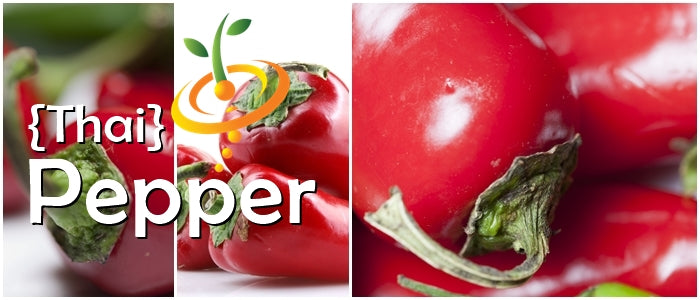
The Thai Hot Pepper hits every type of cuisine with a delightful bolt of lightning. This compact plant throws out lots of slender 1"-3" fruits that grow with their tapered tips up, maturing from popping green to crackling yellow to flashing orange to sizzling red. A type of Bird Pepper, the plant grows to only about 8" tall, so you can plant several close together for a striking ornamental border and more tasty peppers, or interplant throughout the garden.
- High yields
- Drought tolerant
- Edible and ornamental
- Good for containers
SEED PLANTING TIPS
- Botanical name: Capsicum annuum
- Pepper length: 1"-3"
- Scoville heat units (SHU): 50,000-100,000/hot
- Plant support: None
- Depth to plant seeds: .25" deep
- Spacing between plants: 6"-12" apart
- Spacing between rows: 18"-24" apart
- Days to germinate (sprout): 7-21 days
- Germination soil temps: 75F-85F
- Soil needs: 6.0-7.0 pH
- Sun needs: Full sun
- Frost hardy: No
- Planting season: Spring, summer
- # of plants per sq. ft.: Appx. 2-4 plants per sq. ft.
- Days to maturity: 80-90 days
Good companion plants: Basil, Carrot, Cucumber, Eggplant, Okra, Rosemary, Sage, Squash, Tomato
All Peppers ⟐ Hot Peppers 📚 Hot Peppers Grow Guide -
Sprouts/Microgreens - Bean, Adzuki seeds
From $399 USDUnit price /UnavailableDescription
- Certified Kosher by Chabad House of Western Michigan.
- Certified Organic.
- The Adzuki Bean (Vigna angularis) has been grown in the Far East for centuries.
- Adzuki beans are one of Japan’s largest crops, with annual consumption of over 120,000 metric tons.
- Adzuki beans are often sprouted for only one day, mixed with other sprouts and called a "Crispy Mix" or "Crunchy Mix."
- They are commonly used throughout Asia in a variety of ways.
- Certified Kosher by Chabad House of Western Michigan.
-
From $399 USDUnit price /Unavailable
Description
- These New Zealand spinach seeds will produce very flavorful medium triangular-shaped green spinach leaves
- This is one of the few spinach varieties that produces continuously all year, from spring to fall. The more you cut and use the more it will continue to grow
- New Zealand spinach is a large growing plant and needs 2 foot rows, 1 foot between plants
- And ... unlike the other spinach varieties, the New Zealand is one that can survive through the hot summers
-
Days to Maturity | 75 days
- These New Zealand spinach seeds will produce very flavorful medium triangular-shaped green spinach leaves
-
From $399 USDUnit price /Unavailable
Description
- Produces white radishes that grow to 1.5" in diameter
- The white flesh is crisp and mild in flavor
- Great for selling at farmers markets
- Grows well in containers and small spaces
-
Days to Maturity | 25-30 days
Additional DetailsRadishes are rich in ascorbic acid, folic acid, and potassium. They are a good source of vitamin B6, riboflavin, magnesium, copper, and calcium. One cup of sliced red radish bulbs provides approximately 20 calories, largely from carbohydrates
Follow SeedsNow.com's board Radishes on Pinterest. - Produces white radishes that grow to 1.5" in diameter
-
Lettuce - Blonde de Paris seeds
From $399 USDUnit price /UnavailableDescription

- Crisp & refreshing lettuce variety
- The leaves of this particular lettuce makes it idea for use in gourmet sandwiches, burgers and salads
-
Days to Maturity | 60 days
-
Lettuce Seeds | Lettuce can be grown practically anywhere. For leaf types seed should be sown thinly in rows 1 foot apart. For head, Bibb, and cos types, space rows 18 inches apart.
Click here for complete Lettuce grow guide
- Crisp & refreshing lettuce variety
-
From $399 USDUnit price /Unavailable
Description

- Flavorful dark green crinkled lettuce
- Chef's all around the country grow this variety to include in salads and garnishes
- Very popular and easy to grow from seed
- Does not require a lot of space to grow
-
Days to Maturity | 65 days
-
Lettuce Seeds | Lettuce can be grown practically anywhere. For leaf types seed should be sown thinly in rows 1 foot apart. For head, Bibb, and cos types, space rows 18 inches apart.
Click here for complete Lettuce grow guide
- Flavorful dark green crinkled lettuce
-
From $399 USDUnit price /Unavailable
Description

- Little Gem Lettuce is a compact, crisp romaine variety prized for its sweet flavor and exceptional heat tolerance. Growing to just 6-8 inches tall, it forms dense, tightly-wrapped heads with crunchy, juicy leaves. This space-efficient cultivar matures quickly (typically 55-65 days) and performs well in containers or small garden spaces. Plant successively for continuous harvests throughout the growing season.
- Crisp & refreshing, sweet & crunchy lettuce variety.
- The leaves of this particular lettuce makes it idea for use in wraps and hors d'oeuvres.
- Easy to grow in compact spaces and smaller containers.
-
Days to Maturity | 65 days
-
Lettuce Seeds | Lettuce can be grown practically anywhere. For leaf types seed should be sown thinly in rows 1 foot apart. For head, Bibb, and cos types, space rows 18 inches apart.
Click here for complete Lettuce grow guide
- Little Gem Lettuce is a compact, crisp romaine variety prized for its sweet flavor and exceptional heat tolerance. Growing to just 6-8 inches tall, it forms dense, tightly-wrapped heads with crunchy, juicy leaves. This space-efficient cultivar matures quickly (typically 55-65 days) and performs well in containers or small garden spaces. Plant successively for continuous harvests throughout the growing season.
-
From $399 USDUnit price /Unavailable
Description

- Beautiful red lettuce leaves
- Curly leaves with really nice texture and color
- Extremely popular amongst gourmet chefs and restaurants
- Easy to grow and does not require a lot of space
-
Days to Maturity | 50 days
-
Lettuce Seeds | Lettuce can be grown practically anywhere. For leaf types seed should be sown thinly in rows 1 foot apart. For head, Bibb, and cos types, space rows 18 inches apart.
Click here for complete Lettuce grow guide
- Beautiful red lettuce leaves
-
From $399 USDUnit price /Unavailable
Description

- Beautiful tight green crinkled lettuce leaves
- Curly leaves with really nice texture and color
- Extremely popular amongst gourmet chefs and restaurants
- Easy to grow and does not require a lot of space
-
Days to Maturity | 50 days
-
Lettuce Seeds | Lettuce can be grown practically anywhere. For leaf types seed should be sown thinly in rows 1 foot apart. For head, Bibb, and cos types, space rows 18 inches apart.
Click here for complete Lettuce grow guide
- Beautiful tight green crinkled lettuce leaves
-
From $399 USDUnit price /Unavailable
Description

- Beautiful bright lime green lettuce leaves
- This is the green alternative to Lollo Rossa
- Compact and curly with amazing flavor
- Extremely popular amongst gourmet chefs and restaurants
- Easy to grow and does not require a lot of space
-
Days to Maturity | 50 days
-
Lettuce Seeds | Lettuce can be grown practically anywhere. For leaf types seed should be sown thinly in rows 1 foot apart. For head, Bibb, and cos types, space rows 18 inches apart.
Click here for complete Lettuce grow guide
- Beautiful bright lime green lettuce leaves
-
Lettuce - Burgundy Boston seeds
From $399 USDUnit price /UnavailableDescription
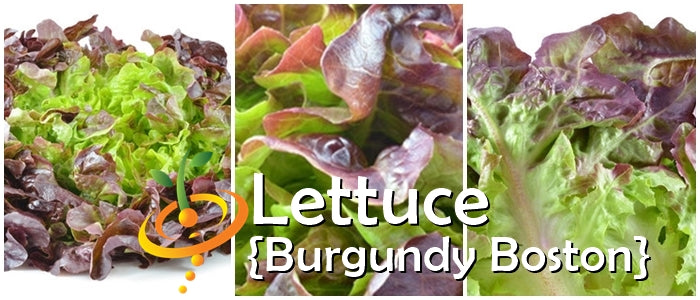
- Beautiful multi-color lettuce leaves
- Semi-curly leaves with really nice texture and color
- Extremely popular amongst gourmet chefs and restaurants
- Easy to grow and does not require a lot of space
-
Days to Maturity | 70 days
-
Lettuce Seeds | Lettuce can be grown practically anywhere. For leaf types seed should be sown thinly in rows 1 foot apart. For head, Bibb, and cos types, space rows 18 inches apart.
Click here for complete Lettuce grow guide
- Beautiful multi-color lettuce leaves
-
Broccoli - Rapini (Raab) seeds
From $399 USDUnit price /UnavailableDescription

- The Rapini (raab) broccoli produces excellent yields of large dark green broccoli raab.
- It has no central head like regular broccoli, but instead has side broccoli shoots.
- Excellent for stir fry, salads, and many other culinary creations.
- Extremely healthy with tons of health benefits: high in vitamin A and C. It's said to be very good for your heart.
-
Plant early in the spring and harvest before the weather gets too hot.
-
Days to Maturity | 65 days
- The Rapini (raab) broccoli produces excellent yields of large dark green broccoli raab.

Squash (Winter) - Crookneck, Cushaw Green Striped seeds
From $399 USDUnit price /UnavailableDescription
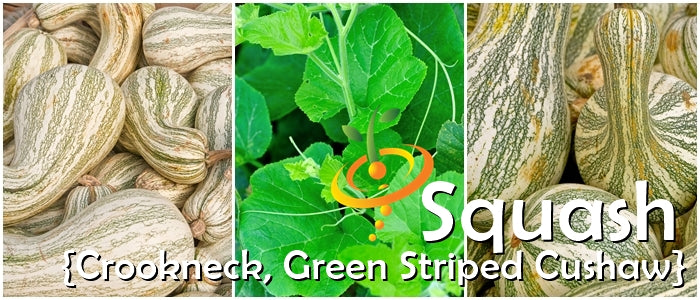
- The Cushaw plant produces some of the most beautiful 20" long squash
-
Curved/crook-neck variety
- Grows as a vine (not as a bush)
- Yellow colored flesh
- Very sweet and full of flavor - perfect for pies and canning
- Ideal for any sized garden and easy to grow
- Days to Maturity | 100 days
Additional Details
Though considered a vegetable in cooking, botanically speaking, squash is a fruit (being the receptacle for the plant's seeds). Squash can be served fresh (in salads) and cooked (squash stuffed with meat, fried squash, baked squash).
- The Cushaw plant produces some of the most beautiful 20" long squash
-
Squash (Summer) - Round de Nice Zucchini seeds
From $399 USDUnit price /UnavailableDescription
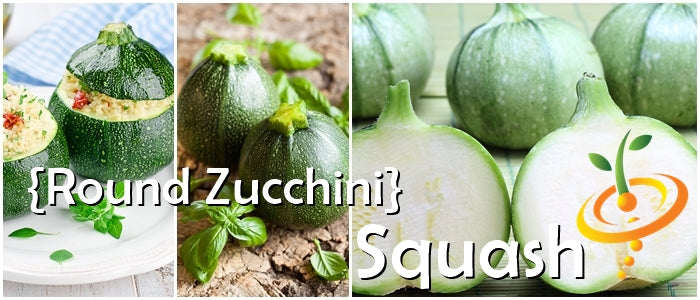
- The Round Zucchini plant is a very popular heirloom squash variety that grows extremely quickly - only 45 days!
- Grows as a compact bush size plant (not as a vine)
- Produces delicious and beautiful 3" round fruits with yellow flesh
- Fast-growing summer squash produces large yields
- Perfect for growing in small spaces
- Days to Maturity | 45 days
Additional Details
Though considered a vegetable in cooking, botanically speaking, squash is a fruit (being the receptacle for the plant's seeds). Squash can be served fresh (in salads) and cooked (squash stuffed with meat, fried squash, baked squash).
- The Round Zucchini plant is a very popular heirloom squash variety that grows extremely quickly - only 45 days!
-
From $399 USDUnit price /Unavailable
Description

Evergreen Parsley Seeds
(100% Heirloom/Non-Hybrid/Non-GMO)- Dark green curly parsley leaves.
- Can withstand frost and cooler temps better than the other varieties.
- Use this parsley for garnishing, and culinary decoration.
-
Day to Maturity | 70 days
- Planting Guide | Sow directly in your garden and space seeds 7" apart. Seeds can take a while to sprout. Can take 3-4 weeks before seedlings appear. Plant will grow to about 10" tall in about 60 days.

Additional DetailsParsley is a commonly grown culinary and medicinal herb that is often used as a domestic medicine. The fresh leaves are highly nutritious and can be considered a natural vitamin and mineral supplement in their own right. The plants prime use is as a diuretic where it is effective in ridding the body of stones and in treating jaundice, dropsy, cystitis etc. It is also a good detoxifier, helping the body to get rid of toxins via the urine and therefore helping in the treatment of a wide range of diseases such as rheumatism
- Dark green curly parsley leaves.
-
Leek - Giant Musselburgh seeds
From $399 USDUnit price /UnavailableDescription

- Mild, sweet, onion-like flavor
- A very hardy variety
- Blue-green leaves resemble giant scallions
-
Days to Maturity | 100 days
-
Leek Seeds | Plant leeks in the spring, and late in the summer or fall. Plant leek seedlings 8-10 inches apart
Click here for complete Leek grow guide
- Mild, sweet, onion-like flavor
-
Parsley - Rooted Hamburg seeds
From $399 USDUnit price /UnavailableDescription
-
A very old heirloom variety dating back to the 1600's
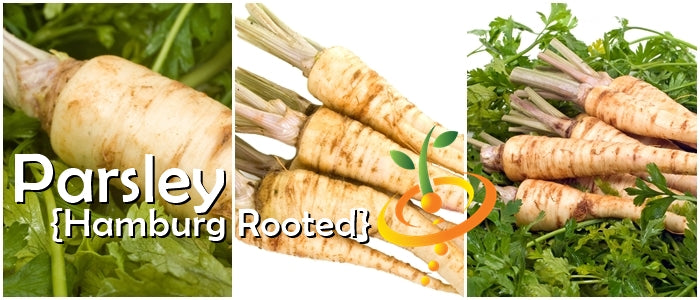
- Hamburg Rooted Parsley is used differently than other parsley plants. It's actually preferred by many European cooks and is typically the main ingredient for many stews
- Hamburg Rooted Parsley is a large edible root with smooth mild parsley flavor
- Very easy to grow
- In Europe root parsley is usually the first choice over parsnips
-
Day to Maturity | 85 days
-
A very old heirloom variety dating back to the 1600's
-
Onion - Barletta, Pearly White seeds
From $399 USDUnit price /UnavailableDescription

-
The Barletta, Pearly White Onion is an extremely tasty small pearl-sized onion
- Barletta onions are beautiful silver white pickling onions
- So delicious
- Perfect for shish-ka-bobs, chicken and veggie skewers, and even just grilled on the bbq
- Grows well in containers and small spaces
- Easy to grow
-
Days to Maturity | 75-80 day
Onion Seeds | Onions are easy to grow, have a fairly short growing period and take up little space in the garden. Plant onions 1/4 inch deep and 3 to 4 inches apart in double rows, leaving 6 to 10 inches between rows.
Click here for complete Onion grow guide
-
The Barletta, Pearly White Onion is an extremely tasty small pearl-sized onion
-
Onion - Southport, White Globe (Long Day) seeds
From $399 USDUnit price /UnavailableDescription

-
The Southport Onion produces medium-sized white globe onions
- A crisp and mild-flavored onion
- Perfect for salads and many other culinary creations
- A long day onion
- Grows well in containers and small spaces
- Easy to grow
-
Days to Maturity | 120 days
Onion Seeds | Onions are easy to grow, have a fairly short growing period and take up little space in the garden. Plant onions 1/4 inch deep and 3 to 4 inches apart in double rows, leaving 6 to 10 inches between rows.
Click here for complete Onion grow guide
-
The Southport Onion produces medium-sized white globe onions
-
Onion - Southport, Red Globe (Long Day) seeds
From $399 USDUnit price /UnavailableDescription

-
The Southport Onion produces medium-sized white globe onions
- A crisp and mild-flavored onion
- Perfect for salads and many other culinary creations
- A long day onion
- Grows well in containers and small spaces
- Easy to grow
-
Days to Maturity | 120 day
Onion Seeds | Onions are easy to grow, have a fairly short growing period and take up little space in the garden. Plant onions 1/4 inch deep and 3 to 4 inches apart in double rows, leaving 6 to 10 inches between rows.
Click here for complete Onion grow guide
-
The Southport Onion produces medium-sized white globe onions
-
Onion - Grano, Red (Short Day) seeds
From $399 USDUnit price /UnavailableDescription

-
Red Grano onions are medium-sized red onions
- A perfect variety for slicing and canning
- A crisp and mild flavored onion
- Short day onion
-
Days to Maturity | 120 days
Onion Seeds | Onions are easy to grow, have a fairly short growing period and take up little space in the garden. Plant onions 1/4 inch deep and 3 to 4 inches apart in double rows, leaving 6 to 10 inches between rows.
Click here for complete Onion grow guide
-
Red Grano onions are medium-sized red onions
-
Pepper (Hot) - NuMex, Twilight 🔥🔥🔥 seeds
From $399 USDUnit price /UnavailableDescription
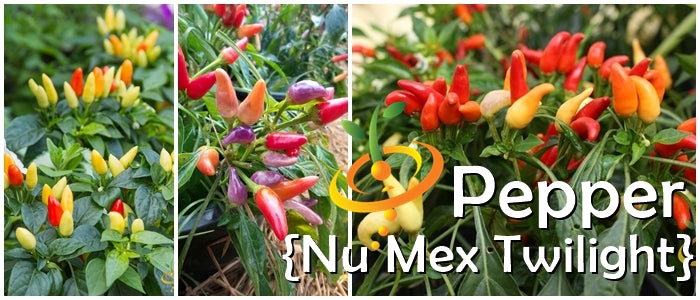
The NuMex Twilight Pepper may be slow to mature, but when it does, it’s full of surprises. Small 2" fruits start out purple rather than green, then ripen through yellow, orange, and red. The peppers point up toward the sky, like flowers, and all four colors adorn the compact 1'-2' plant at the same time, turning this edible ornamental into a living bouquet of salty, slightly bitter peppers so blistering hot, you’ll want to report them to the sheriff. Plant several close together as a border, or grow one in a special pot on the patio. Use as you would any other criminally hot pepper.- Hybrid
- Very high yields
- Edible ornamental
- Salty, slightly bitter flavor
- Good for containers
SEED PLANTING TIPS
- Botanical name: Capsicum annuum
- Pepper length: 1"-2"
- Scoville heat units (SHU): 30,000-50,000/hot
- Plant support: None
- Depth to plant seeds: 1/8" deep
- Spacing between plants: 6"-12" apart
- Spacing between rows: 18"-24" apart
- Days to germinate (sprout): 7-21 days
- Germination soil temps: 75F-85F
- Soil needs: 6.0-7.0 pH
- Sun needs: Full sun
- Frost hardy: No
- Planting season: Spring, summer
- # of plants per sq. ft.: Appx. 2-4 plants per sq. ft.
- Days to maturity: 90-120 days
Good companion plants: Basil, Carrot, Cucumber, Eggplant, Okra, Rosemary, Sage, Squash, Tomato
All Peppers ⟐ Hot Peppers 📚 Hot Peppers Grow Guide -
Pepper (Sweet) - Emerald Giant seeds
From $399 USDUnit price /UnavailableDescription
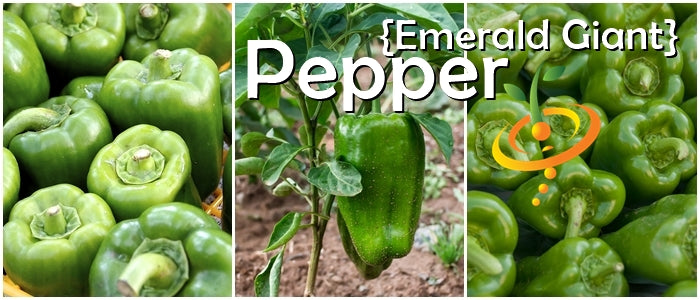
The Emerald Giant Pepper may not be your first precious gem, but it could become your favorite in the garden after you polish off a few. Large 4"-5", blocky, thick-skinned fruits dangle like pendants on vigorous, drought-tolerant plants. As it catches the light, the color matures from emerald to citrine to ruby. And its juicy, crispy, sweet, and mild facets make any recipe shine with delicious brilliance.
- High yields
- Crispy, juicy, and sweet
- Drought tolerant
- Good for Southern gardens
SEED PLANTING TIPS
- Botanical name: Capsicum annuum
- Pepper size: Large/ 4"-5"
- Plant support: Tomato cage or stake
- Depth to plant seeds: .25" deep
- Spacing between plants: 24"-36" apart
- Spacing between rows: 36"-48" apart
- Days to germinate (sprout): 7-21 days
- Germination soil temps: 75F-85F
- Soil needs: 6.0-7.0 pH
- Sun needs: Full sun
- Frost hardy: No
- Planting season: Spring, summer
- # of plants per sq. ft.: Appx. 1 plant per 3 sq. ft.
- Days to maturity: 75-85 days
Good companion plants: Basil, Carrot, Cucumber, Eggplant, Okra, Rosemary, Sage, Squash, Tomato
All Peppers ⟐ Sweet Peppers 📚 Sweet Peppers Grow Guide -
From $399 USDUnit price /Unavailable
Description

-
One of the key characteristics of crisphead lettuce is its high water content, which contributes to its refreshing crunch. This variety is also low in calories, making it a healthy choice for those looking to maintain a balanced diet. In addition, crisphead lettuce is a good source of vitamins A and K, as well as folate.
-
Crisphead lettuce is a type of compact butterhead lettuce that forms tight, dense heads. This variety is popular for its crisp texture and mild flavor, making it a versatile option for salads, sandwiches, and wraps.
-
Day to Maturity | 65 days
-
Lettuce Seeds | Lettuce can be grown practically anywhere. For leaf types seed should be sown thinly in rows 1 foot apart. For head, Bibb, and cos types, space rows 18 inches apart.
Click here for complete Lettuce grow guide
-
-
Lettuce - Black Seeded Simpson seeds
From $399 USDUnit price /UnavailableDescription
- Easy to grow crisp leaf lettuce variety
- Grows really well in containers and tight spaces
- Perfect for hydroponic growers
- Excellent for salads and other culinary dishes
- A popular variety of lettuce for many chefs
-
Days to Maturity | 65 days
-
Lettuce Seeds | Lettuce can be grown practically anywhere. For leaf types seed should be sown thinly in rows 1 foot apart. For head, Bibb, and cos types, space rows 18 inches apart.
Click here for complete Lettuce grow guide
- Easy to grow crisp leaf lettuce variety
-
Pepper (Sweet) - Orange Horizon seeds
From $399 USDUnit price /UnavailableDescription

The color orange is located between yellow and red in the spectrum of light, and that’s where you will find the Orange Horizon Pepper. The 4" blocky fruit begins to glow as it ripens and brightens from green to yellow to orange to more orange. Crispy, crunchy, sweet, and juicy with no heat. Locate this one in your garden between the Summer Crookneck Squash and the Beefsteak Tomatoes.
- High yields
- Sweet and juicy
- Harvest any color
- Good fresh and cooked
SEED PLANTING TIPS
- Botanical name: Capsicum annuum
- Pepper size: Large
- Plant support: Tomato cage or stake
- Depth to plant seeds: .25" deep
- Spacing between plants: 18"-24" apart
- Spacing between rows: 24"-36" apart
- Days to germinate (sprout): 7-21 days
- Germination soil temps: 75F-85F
- Soil needs: 6.0-7.0 pH
- Sun needs: Full sun
- Frost hardy: No
- Planting season: Spring, summer
- # of plants per sq. ft.: Appx. 1 plant per 2 sq. ft.
- Days to maturity: 75-80 days
Good companion plants: Basil, Carrot, Cucumber, Eggplant, Okra, Rosemary, Sage, Squash, Tomato
- Large yields of orange sweet peppers that have mild flavor. Thick walls. Easy to grow. Grows well in a 5 gallon container. Perfect for culinary dishes.
- One large bell pepper contains 209 mg of vitamin C, which is almost three times the 70 mg of an average orange.
All Peppers ⟐ Sweet Peppers 📚 Sweet Peppers Grow Guide  From $399 USDUnit price /Unavailable
Description
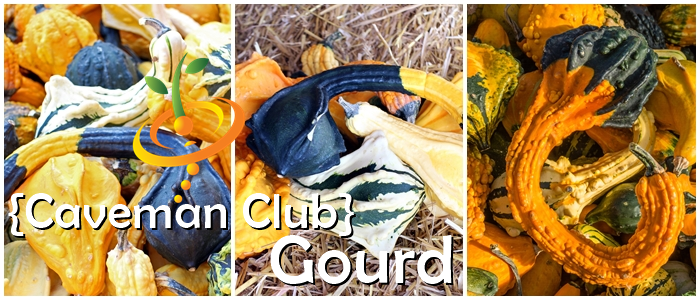
- Just as the name suggests, this style of gourd will produce something that looks like a caveman's club
- Colors will vary
- Grows well in raised beds
- Just as the name suggests, this style of gourd will produce something that looks like a caveman's club
-
From $399 USDUnit price /Unavailable
Description
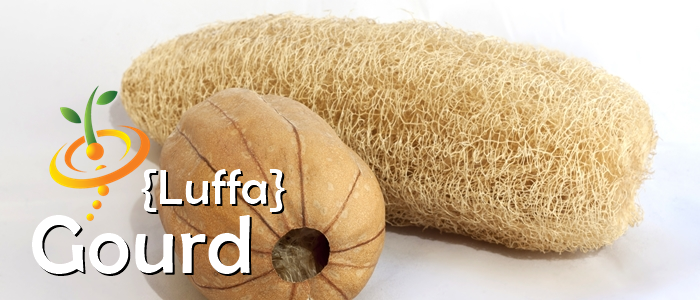
- Luffa Gourds are an all-time favorite variety for many gardener's
- If you know what a gourd is and you like to use a luffa then you're going to love growing your own
-
You can grow your own luffa gourds and do all these great things with them: exfoliate skin; make your own luffa slippers for the beach; use it to scrub glassware & non-stick pans
- Luffa Gourds are an all-time favorite variety for many gardener's

Cucumber - Armenian, White (Metki Serpent Melon) seeds
From $399 USDUnit price /UnavailableDescription
- These Armenian cucumber seeds will produce delicious white cucumbers as long as 30"!
- Bitter-free with excellent flavor
-
Excellent slicer and ideal for salads and many culinary dishes
- Easy to grow
-
Days to Maturity | 65 days
-
Cucumber Seeds | Grow cucumbers where a long, warm growing season, minimum 65 days, can be assured. Plant seeds where there is ample space and vines can sprawl, the simplest way is to plant cucumbers in hills.
Click here for complete Cucumber grow guide
- These Armenian cucumber seeds will produce delicious white cucumbers as long as 30"!
-
Angelica (Wild Celery / Holy Ghost) seeds
From $399 USDUnit price /UnavailableDescription
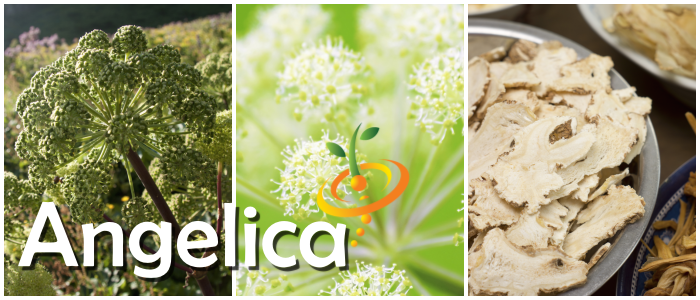
Angelica (Angelica archangelica), also called Wild Celery and Holy Ghost, is a fragrant herb in the carrot family. Like a carrot, it’s a biennial that flowers the second year, and it has a long thick root. But it’s not a carrot. For starters, it tastes like licorice. And the plant can grow to 4'-6' tall. It prefers cooler weather and growing near running water, so congrats if you’re gardening along the riverbanks of Utopia. The rest of us can just grow it in dappled shade and make sure the soil doesn’t dry out.
The flowers, leaves, seeds, stems, and roots are all edible. Peel the young, hollow, purple-tinged stems and use like celery, use the leaves like spinach, or make a tea from the leaves, flowers, seeds, and roots.
As a medicinal herb, Angelica has been used to treat anxiety, bladder infections, bronchitis, colds, cough, fever, flatulence, indigestion, insomnia, heartburn, lack of appetite, poor circulation, respiratory issues, typhus, and upset stomach.
Mild licorice flavorAll parts are edibleCulinary and medicinalGood fresh and cooked
As a companion plant, it attracts all sorts of friendly pollinators and beneficial insects.
⚠️ Medicinal properties are presented as information only, and are not a recommendation or prescription for use. Consult a medical professional before using any herb medicinally.
SEED PLANTING TIPS
- Botanical name: Angelica archangelica
- Life cycle: Herbaceous biennial
- Hardiness zones: 4-8
- Planting season: Spring, fall
- Days to maturity: 1-2 years; can begin harvesting when 6" tall
- Depth to plant seeds: Lightly cover - seeds need light to germinate
- Days to germinate (sprout): 14-28 days
- Germination soil temps: 60F-65F
- Spacing between plants: 18"-24" apart
- Spacing between rows: 24"-36" apart
- # of plants per sq. ft.: Appx. 1 plant per 2 sq. ft.
- Soil types: Clay, sandy, loamy, silty, moist, well-drained
- Soil pH: 4.5-7.4
- Sun needs: Full sun, part shade
- Water needs: High - keep soil moist
- Cold stratify: Yes
- Frost tolerant: Yes
- Heat tolerant: No
- Drought tolerant: No
- Deer resistant: No
- Culinary use: Yes
- Medicinal use: Yes
-
From $399 USDUnit price /Unavailable
Description

Soapwort (Saponaria officinalis) is a beautiful, robust perennial in the carnation family with dark green lance-shaped leaves and light pink star-shaped flowers that have a pleasant floral clove scent. Can grow 1'-2' tall and 12"-18" wide, and prefers cooler weather. The entire plant contains saponins, with the highest concentration in the roots, which make a gentle foamy lather when mixed with warm water, and is used as detergent or soap to clean skin, hair, and delicate fabrics. Also called Bouncing Bet, a historical expression for a laundry woman. Reseeding and runner roots enable it to spread easily and it can become invasive.As a medicinal plant, Soapwort has been used internally to treat bronchitis, colds, cough, diarrhea, kidney stones, and respiratory problems, and externally to treat acne, boils, burns, eczema, inflammation, itchy skin, muscle pain, poison ivy, psoriasis, rash, and wounds.
⚠️ Toxic to people, pets, and livestock if ingested in large quantities. Toxic to fish, so do not grow near waterways. Do not ingest while pregnant or nursing.
⚠️ Medicinal properties are presented as information only, and are not a recommendation or prescription for use. Consult a medical professional before using any plant medicinally.
- Life cycle: Herbaceous perennial
- Bloom season: Summer
- Attracts: Hummingbirds, bees, butterflies, and other pollinators
- Flower meaning: Innocence, pure love
SEED PLANTING TIPS
- Botanical name: Saponaria officinalis
- Hardiness zones: 3-9
- Planting season: Spring, fall
- Days to maturity: 85 days-2 years
- Cold stratify: Yes
- Depth to plant seeds: Lightly cover - seeds need light to germinate
- Days to germinate (sprout): 7-28 days
- Germination soil temps: 60F-70F
- Spacing between plants: 12"-18" apart
- Soil types: Clay, sandy, loamy, silty, rocky, chalky, poor, average, moist, well-drained
- Soil pH: 6.6-7.8
- Water needs: Average
- Sun needs: Full sun, part shade
- Frost tolerant: Yes
- Drought tolerant: Yes
- Deer resistant: Yes
-
Shallot (sets) - Holland, Red (Organic)
From $399 USDUnit price /UnavailableDescription
Each shallot can typically yield about 5-10 shallots per harvest. Best time to plant is usually in the Fall (Sept. - Nov.)
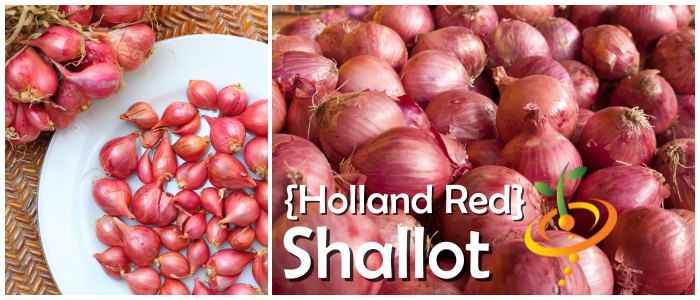
Quick Overview:- Copper Red
- Easy to grow
- Rare heirloom variety - hard to find
- Stores very well
- Excellent flavor
More Details:
A coppery red outer skin peels easily to reveal a reddish-purple flesh. Excellent flavor, great in sauces. This one can produce tenfold!! Contains potassium and vitamins A, B-6 and CHow to Plant:
Plant the pointy side of the shallot facing up with no more than 1/4" of soil covering the shallot. Make sure your have 7-8 inches of soil to allow the roots to grow freely. Space each bulb 10" - 12" apart from each other.
Note: Each shallot can typically yield about 5-10 shallots per harvest. Best time to plant is usually in the Fall (Sept. - Nov.) -
Black Salsify (Black Oyster Plant/Scorzonera) seeds
From $399 USDUnit price /UnavailableDescription
Black Salsify, also called Scorzonera and Black Oyster Plant, is a cold hardy perennial in the aster and lettuce family grown for its thin root with rough black skin over white flesh that can grow 1'-3' long if it has the room. Take care when harvesting, as the roots are delicate and snap easily. Any root left behind will re-grow!
It would be fun for a blind taste test, as the edible yellow dandelion-like flower petals smell like cocoa, the edible flower buds taste like okra, and the roots taste like oyster, asparagus, or artichoke, turning sweeter and earthier after a frost.
The stems and long, wide leaves that can grow 3'-4' tall are also edible. Delicious roasted, mashed, grilled, and pickled, or simply sautéed in a little butter for a rich, unusual side dish.
- Sweet, earthy flavor
- Roots can grow 1'-3' long if they have the room!
- Prefers cooler weather
- All parts are edible
- Cold hardy
SEED PLANTING TIPS
- Botanical name: Scorzonera hispanica
- Life cycle: Herbaceous perennial
- Hardiness zones: 5-9
- Planting season: Spring, fall
- Days to maturity: 100-120 days
- Depth to plant seeds: 1/2" deep
- Days to germinate (sprout): 7-28 days
- Germination soil temps: 60F-75F
- Spacing between plants: 3"-4" apart
- Spacing between rows: 18"-24" apart
- # of plants per sq. ft.: Appx. 16 plants per sq. ft.
- Soil types: Sandy, loamy, moist, well-drained
- Soil pH: 6.5-7.0
- Sun needs: Full sun
- Water needs: Average
- Cold stratify: No
- Frost tolerant: Yes
- Heat tolerant: Yes
- Drought tolerant: Yes
- Deer resistant: No
- Culinary use: Yes
Good Companion Plants: Beet, Carrot, Kohlrabi, Parsnip, Potato, Rosemary, Rutabaga, Sage, Thyme, Turnip
⚠️ Always consult with your doctor and primary care provider before using or consuming herbs, flowers, seeds and/or plants for medicinal purposes.
-
From $399 USDUnit price /Unavailable
Description
Tansy is a very powerful and popular herb. We recommend that you do a Google search to learn more about all the benefits and uses this plant has to offer. Happy planting!
....
-
Squash (Winter) - Burgess Buttercup seeds
From $399 USDUnit price /UnavailableDescription
Squash (Winter), Burgess Buttercup
- Cucurbita maxima.
- Plant produces heavy yields of 8" long turban shaped green squash with silvery white stripes.
- The yellow orange flesh is very sweet and grows 3 to 5 lbs.
- The Burgess strain stores well.
-
A winter squash variety.
-
Day to Maturity | 90 days
- Cucurbita maxima.
-
Swiss Chard - Canary Yellow seeds
From $399 USDUnit price /UnavailableDescription
Yellow Canary Swiss Chard
-
The Yellow Canary Swiss Chard is a popular plant that produces some of the most amazing looking swiss chard leaves in a bright shades of yellow.
- Perfect for salads or steamed greens.
- One of this years most popular varieties to grow.
- Extremely healthy.
- Easy to grow.
-
Day to Maturity | 65 days
Additional DetailsSwiss chard is high in vitamins A, K and C, with a 175g serving containing 214%, 716%, and 53%, respectively, of the recommended daily value. It is also rich in minerals, dietary fiber and protein.
-
The Yellow Canary Swiss Chard is a popular plant that produces some of the most amazing looking swiss chard leaves in a bright shades of yellow.
-
From $399 USDUnit price /Unavailable
Description
Greek Basil is a small-leaf dwarf variety that grows into a tight dome, about 1’ tall and wide. A great one for containers, hanging baskets, and indoor gardens. The bright green, oval leaves and soft stems have hints of clove and anise, and keep their flavor when dried. Use this variety to flavor herb butters and vinaigrettes, and the edible flowers as a garnish or salad green.Harvest the leaves and stems from the top part of the plant, and pinch off edible flower buds as they appear, which prevents the leaves from turning bitter, and signals the plant to branch out and grow more leaves, making a bushier plant.
The more you harvest, the more it grows!
- Basil-clove-anise flavor
- Compact plant
- Good for indoor gardens
- Good for containers
- Tons of medicinal benefits!
As a medicinal herb, Basil has been used internally to treat anxiety, colds, colic, cough, depression, diarrhea, fever, flatulence, flu, indigestion, insomnia, intestinal parasites and worms, exhaustion, gastric pain, gonorrhea, lactation problems, migraine headache, nausea, stomach cramps, sore throat, and vomiting, and externally to treat acne, insect bites and stings, loss of smell, skin problems, snake bites.
⚠️ Do not use medicinally while pregnant.
⚠️ Medicinal properties are presented as information only, and are not a recommendation or prescription for use. Consult a medical professional before using any herb medicinally.
As a companion plant, it attracts hummingbirds, pollinators, and beneficial insects, and repels asparagus beetles, cabbage moths, cabbage white butterfly, cabbage worms, carrot rust fly, flies, maggots, mice, mosquitoes, spider mites, thrips, and tomato hornworms.
Shop all Basil Seeds Shop Good Companion Plants for Basil 📚 Grow Guide: Basil


See Basil Recipes & Growing Tips on our Pinterest Board
Shop all Basil Seeds Shop Good Companion Plants for Basil 📚 Grow Guide: Basil -
From $399 USDUnit price /Unavailable
Description
Lemon Basil, also called Hoary Basil (for its fuzzy stems), is a hybrid cross between traditional basil and lime basil.The bright green leaves have a sweet lemony aroma and a tangy lemon-anise flavor that’s best used fresh in seafood dishes, fruit salads, lemonade, cocktails, and salad dressings. Add at the end of cooking to preserve the citrus flavor, then garnish with the edible flowers.
Harvest the leaves and stems from the top part of the plant, and pinch off edible flower buds as they appear, which prevents the leaves from turning bitter, and signals the plant to branch out and grow more leaves, making a bushier plant.
The more you harvest, the more it grows!
- Tangy lemon-anise flavor
- Culinary and medicinal
- Good for indoor gardens
- Good for containers
- Tons of medicinal benefits!
As a medicinal herb, Basil has been used internally to treat anxiety, colds, colic, cough, depression, diarrhea, fever, flatulence, flu, indigestion, insomnia, intestinal parasites and worms, exhaustion, gastric pain, gonorrhea, lactation problems, migraine headache, nausea, stomach cramps, sore throat, and vomiting, and externally to treat acne, insect bites and stings, loss of smell, skin problems, snake bites.
⚠️ Do not use medicinally while pregnant.
⚠️ Medicinal properties are presented as information only, and are not a recommendation or prescription for use. Consult a medical professional before using any herb medicinally.
As a companion plant, Basil attracts hummingbirds, pollinators, and beneficial insects, and repels asparagus beetles, cabbage moths, cabbage white butterfly, cabbage worms, carrot rust fly, flies, maggots, mice, mosquitoes, spider mites, thrips, and tomato hornworms.
Shop all Basil Seeds Shop Good Companion Plants for Basil 📚 Grow Guide: Basil Health Benefits of Lemon Basil
Basil is a known health tonic for expecting mothers and when mixed with tea it increases lactation in mothers. It is also a nerve tonic and young children are sometimes encouraged to chew on the leaves of basil because it stimulates brain cells and can increase memory.

See Basil Recipes & Growing Tips on our Pinterest Board
Shop all Basil Seeds Shop Good Companion Plants for Basil 📚 Grow Guide: Basil -
From $399 USDUnit price /Unavailable
Description
Let us tell you about Lettuce Leaf Basil. It’s a lovely Italian basil that grows huge leaves as big as your hand, with a flavor that’s sweeter and less spicy than other basils. Its crinkles hold onto dressing in salads, you need only one leaf for a sandwich or wrap, and you can use the rest as you would any other basil. Save the edible flower spikes to garnish seafood dishes and cocktails.Harvest the leaves and stems from the top part of the plant, and pinch off edible flower buds as they appear, which prevents the leaves from turning bitter, and signals the plant to branch out and grow more leaves, making a bushier plant. The more you harvest, the more it grows!
- Sweet and mild
- Huge 5"-6" leaves
- Grows 1'-2' tall
- Good for containers
- Tons of medicinal benefits!
As a medicinal herb, Basil has been used internally to treat anxiety, colds, colic, cough, depression, diarrhea, fever, flatulence, flu, indigestion, insomnia, intestinal parasites and worms, exhaustion, gastric pain, gonorrhea, lactation problems, migraine headache, nausea, stomach cramps, sore throat, and vomiting, and externally to treat acne, insect bites and stings, loss of smell, skin problems, snake bites.
⚠️ Do not use medicinally while pregnant.
⚠️ Medicinal properties are presented as information only, and are not a recommendation or prescription for use. Consult a medical professional before using any herb medicinally.
As a companion plant, Basil attracts hummingbirds, pollinators, and beneficial insects, and repels asparagus beetles, cabbage moths, cabbage white butterfly, cabbage worms, carrot rust fly, flies, maggots, mice, mosquitoes, spider mites, thrips, and tomato hornworms.
Shop all Basil Seeds Shop Good Companion Plants for Basil 📚 Grow Guide: Basil Health Benefits of Genovese Basil
Basil is a known health tonic for expecting mothers and when mixed with tea it increases lactation in mothers. It is also a nerve tonic and young children are sometimes encouraged to chew on the leaves of basil because it stimulates brain cells and can increase memory.
See Basil Recipes & Growing Tips on our Pinterest Board
Shop all Basil Seeds Shop Good Companion Plants for Basil 📚 Grow Guide: Basil -
From $399 USDUnit price /Unavailable
Description
Catnip is not the most beautiful plant you can grow, but it’s quite useful. The small spikes of white speckled flowers attract pollinators and beneficial insects to the vegetable garden. And the same compound that sends cats flying to the moon also sends mosquitoes flying away. Also repels ants, aphids, cabbage moths, cabbage white butterfly, cabbage worms, potato beetles, cucumber beetles, flea beetles, Japanese beetles, mice, roaches, slugs, squash bugs, voles, and weevils, which makes it a great companion for just about everyone (except Parsley). Reseeds easily and can become invasive. Use the minty leaves to flavor tea, pasta, vegetables, soups, and sauces.
- Mosquito repellent
- Can be invasive
- Grows 2'-3' tall
- Good for containers
As a medicinal herb, Catnip has been used internally to treat anxiety, colds, cough, fever, insomnia, nervousness, restlessness, sore throat, and upset stomach, and externally to treat black eyes and other bruises.⚠️ Medicinal properties are presented as information only, and are not a recommendation or prescription for use. Consult a medical professional before using any herb medicinally.
SEED PLANTING TIPS
- Botanical name: Nepeta cataria
- Life cycle: Herbaceous perennial
- Hardiness zones: 3-9
- Planting season: Spring, fall
- Days to maturity: 75-85 days; can begin harvesting when 6" tall
- Depth to plant seeds: 1/4" deep
- Days to germinate (sprout): 7-14 days
- Germination soil temps: 60F-70F
- Spacing between plants: 18"-24" apart
- Spacing between rows: 24"-36" apart
- # of plants per sq. ft.: Appx. 1 plant per 2 sq. ft.
- Soil types: Sandy, loamy, silty, rocky, poor, rich, dry, moist, well-drained
- Soil pH: 6.0-7.8
- Sun needs: Full sun, part shade
- Water needs: Low
- Cold stratify: Yes
- Frost tolerant: Yes
- Heat tolerant: No
- Drought tolerant: Yes
- Deer resistant: Yes
- Cat resistant: No
- Culinary use: Yes
- Medicinal use: Yes
Good companion plants: Bean, Beet, Broccoli, Brussels Sprouts, Cabbage, Carrot, Cauliflower, Collards, Cucumber, Eggplant, Fava Bean, Hyssop, Kale, Kohlrabi, Lavender, Lettuce, Mustard, Potato, Pumpkin, Radish, Rutabaga, Soybean, Strawberry, Squash, Tomato, Turnip, Zucchini
More facts about Catnip:
- Nepeta cataria. Perennial.
- Classic aromatic scent that is proven to attract cats. They absolutely love to roll around in it.
- Plant produces flavorful leaves that can be used in many culinary dishes and teas.
- Said to have medicinal properties to relieve cold and flu symptoms.
- Catnip is also a VERY effective mosquito repellent.
- According to ScienceDaily.com, nepetalactone, the essential oil in catnip that gives the plant its characteristic odor, is about ten times more effective at repelling mosquitoes than DEET — the compound used in most commercial insect repellents.
-
Simply grow catnip near the backyard or patio of your house.
-
Potato (Early-Season) - King Edward (Organic/Heirloom)
From $399 USDUnit price /UnavailableDescription
About this variety:
-
Early-season 60-80 to maturity.
King Edward is an early season potato. It has white flesh with moist, waxy texture.
- This is a good storage potato.
- The "Edward" leaves repel bugs, such as Colorado Potato Beetles, Flea Beetles, and Potato Leaf Hoppers.
- Late blight resistant.
NOTE: We do not use chemicals to prevent our potatoes from sprouting. So the seed potatoes you order may have already begun to sprout when they arrive. This is okay-and in fact some consider it desirable.
-


🌱 Featured Seed Types (A - Z)
View all


continue shopping


